Can I Do Dermaplaning Myself?
We get the temptation. You’ve seen the slick TikToks. A dermaplaning blade glides across glowing skin, peach fuzz disappears, and bam—glass-skin goddess activated. But is this treatment really as simple as grabbing a blade and giving it a go at home?
Welcome to our deep dive into the real question: Can I do dermaplaning myself? As Brisbane-based skin therapists who’ve treated thousands of faces in our studio, we’re here to walk you through the pros, the pitfalls, and everything in between. No fluff. No filters. Just honest advice so you can make the best call for your skin.
What Is Dermaplaning?
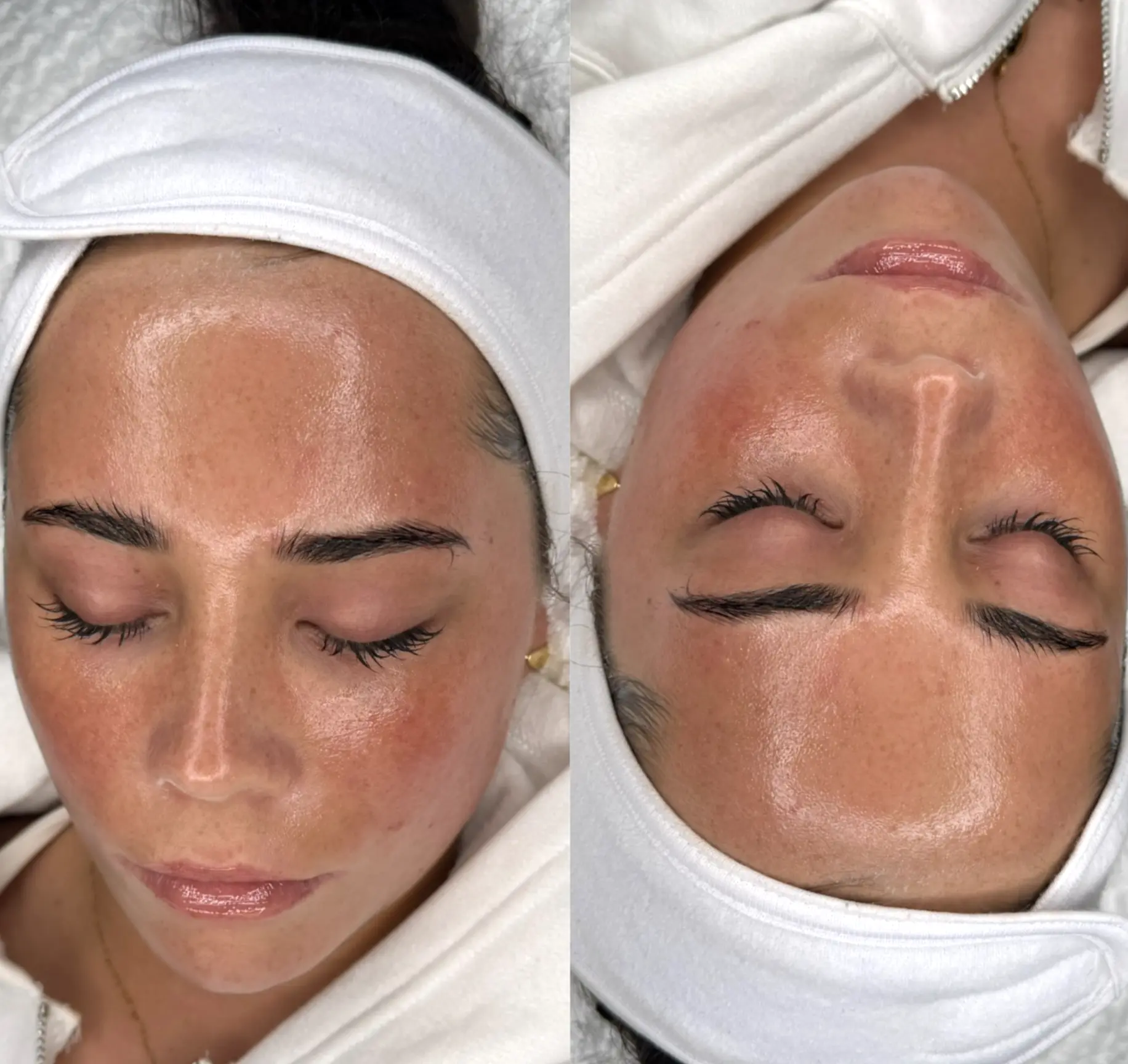
Dermaplaning is a cosmetic procedure and form of exfoliation where a sharp blade gently removes the topmost layer of dead skin cells and vellus hairs (aka peach fuzz). It’s not just facial shaving—it’s a physical exfoliation technique designed to reveal smoother skin and a brighter complexion.
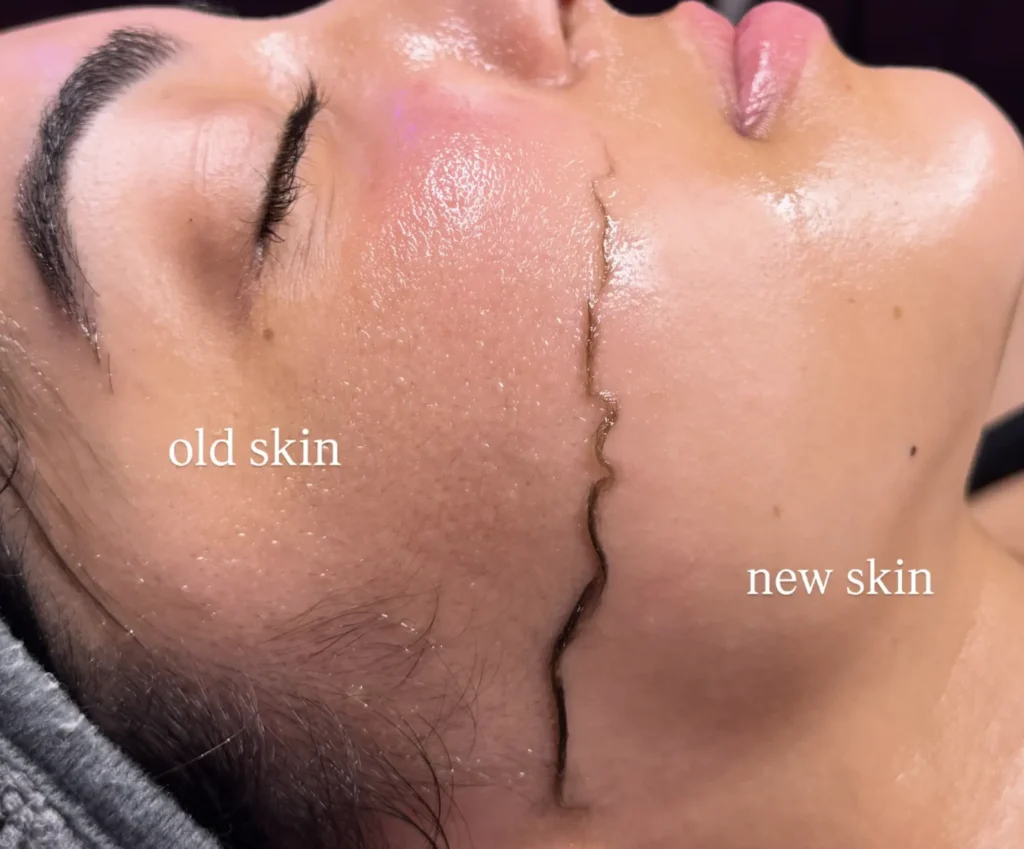
Think of it as an instant pick-me-up for dull complexion and tired skin. Done right, it can help:
- Improve skin texture and tone
- Create a smooth canvas for makeup application
- Support better absorption of skin care products and advanced formulas
- Soften the appearance of scars, fine lines, and acne scars
- Remove buildup from pollution, SPF, and makeup
This exfoliating treatment clears the outermost layer, also called the stratum corneum, allowing for cleaner, healthier skin.
DIY vs Pro Dermaplaning: Key Differences
In our Brisbane Cosmetic Tattoo Studio, we use surgical blades, clean tools, and strict hygiene protocols to keep your skin barrier safe. But when dermaplaning kits are popping up on Amazon and influencers are wielding facial razors in bathroom mirrors, it’s easy to think, “Why pay for it?”
| Professional Dermaplaning | DIY At-Home Dermaplaning |
|---|---|
| Performed by trained skin therapists or a board-certified dermatologist | Self-applied, based on personal preference |
| Sterile, surgical-grade or stainless steel blade | Often dull or plastic safety blade |
| Controlled technique and pressure using angled blades | Inconsistent angles, risk of cuts and over-exfoliating |
| Customised based on your skin type and skin concerns | One-size-fits-all approach |
| Performed in a hygienic office setting | At-home bathroom, higher risk of infection and acne-causing bacteria |
| Combined with post-care hydrating serum and personalised skincare routine | Limited or generic aftercare |
Who Shouldn’t Dermaplane at Home?
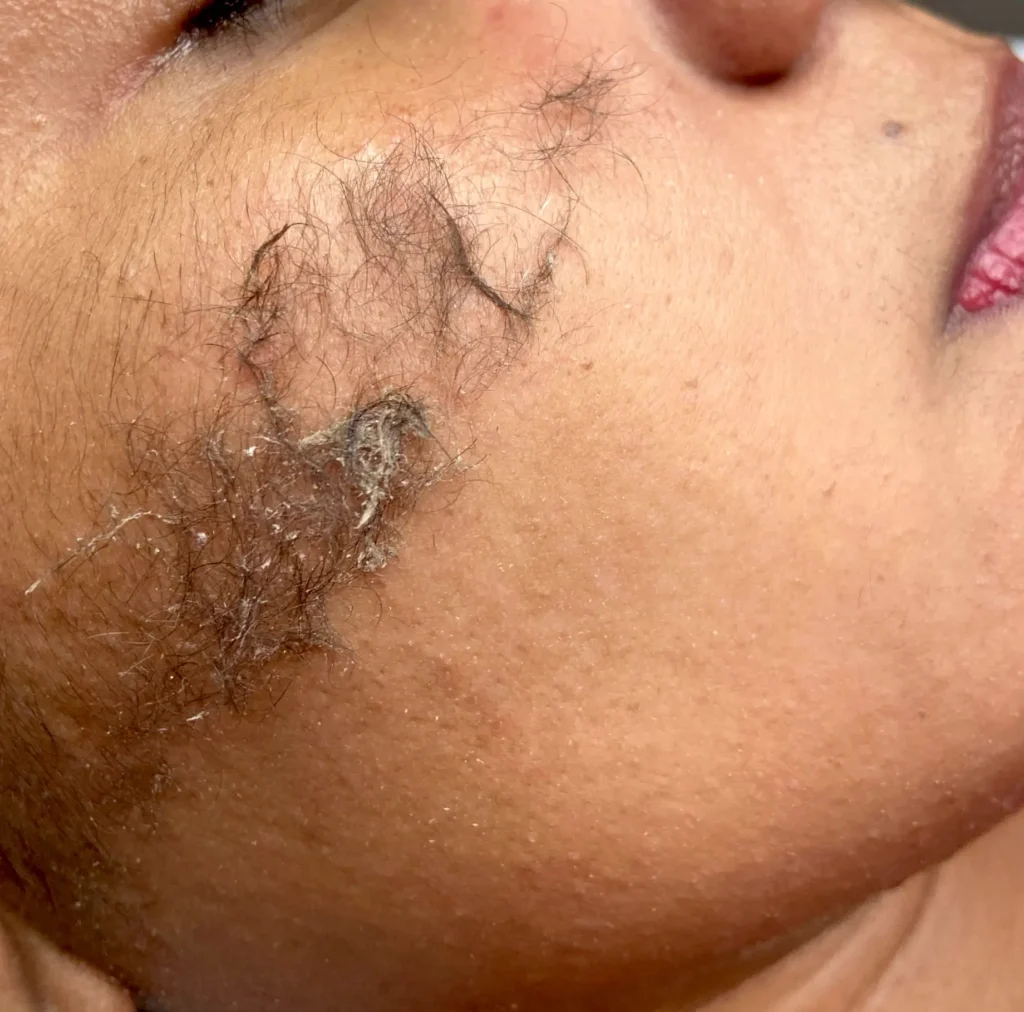
You should skip the at-home version if you have:
- Active acne or active pimple
- Sensitive skin or skin conditions like rosacea or eczema
- Very dry skin, acne-prone or aging skin
- Dark or coarse facial hair
Our rule? If you’re using chemical exfoliants, barrier repair creams, or prescription skincare treatments, it’s best to consult a medical expert.
Brisbane Beauty in Humid Weather
Living in Brisbane means we deal with humidity, sun exposure, and SPF-heavy routines. Dermaplaning helps lift that dead skin layer and dull buildup, but damp bathrooms increase the risk of bacterial growth on your blade.
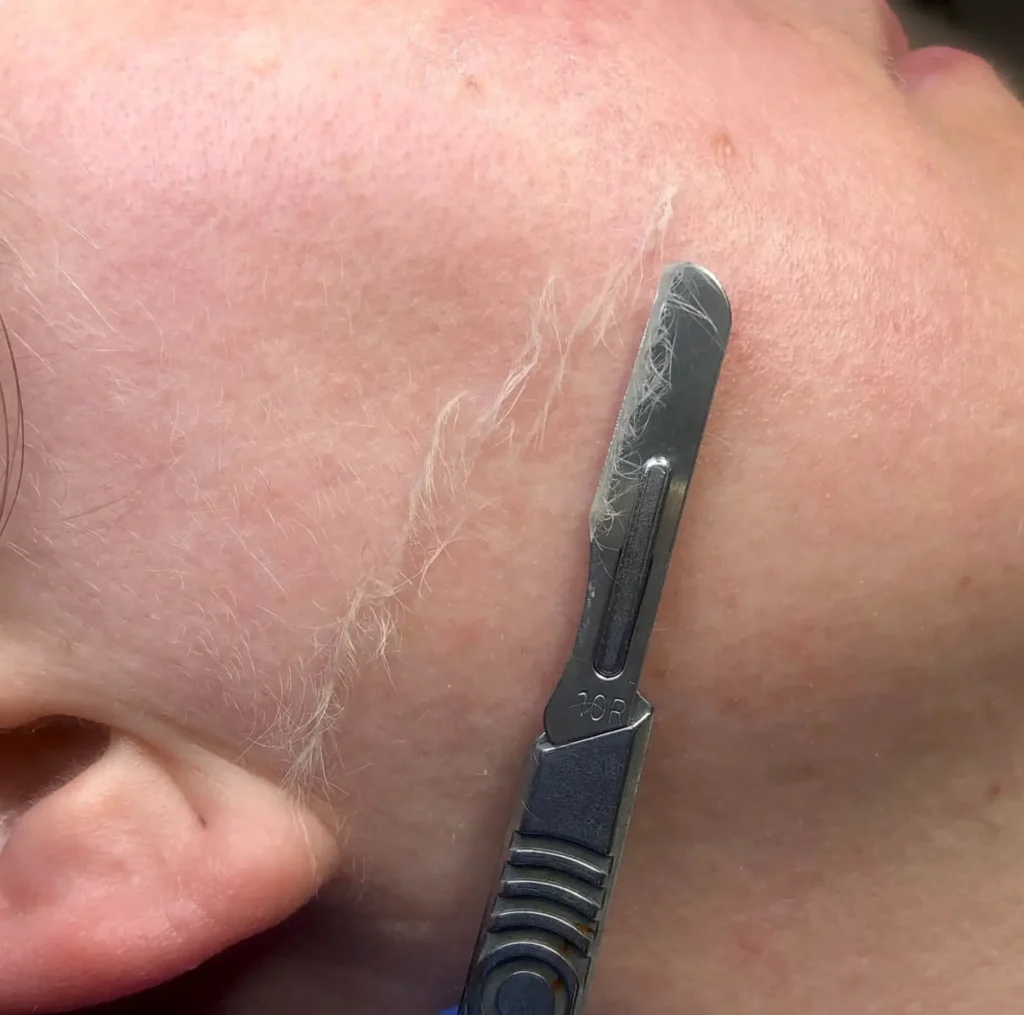
Safety precautions:
- Always disinfect and clean the blade before and after use
- Store tools in a dry place with proper safety features
- Avoid chemical products immediately after treatment
- Never reuse a dull, blunt edge or share tools
Safe Dermaplaning Starts with Skin Prep
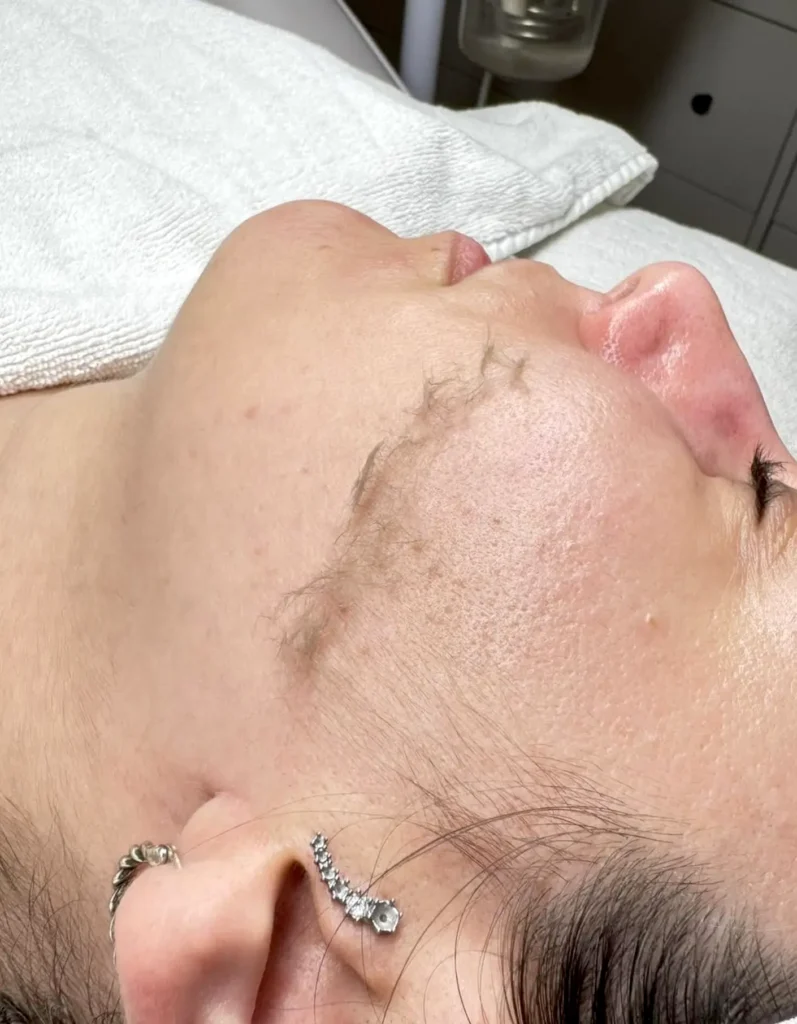
- Choose a clean, sharp razor or single blade
- Clean skin thoroughly using a mild cleanser
- Dry completely — no damp skin!
- Disinfect blade with isopropyl alcohol
- Hold skin taut and use light strokes at a 45-degree angle
- Avoid active breakouts or irritated zones
- Apply hydrating serum afterward (without chemical peel ingredients)
DIY Dermaplaning Risks
- Risk of cuts from incorrect technique
- Skin irritation or allergic reaction from dirty or blunt blades
- Uneven results or scraping
- Worsened acne if dermaplaning over breakouts
- Hyperpigmentation from poor aftercare
2025 Beauty Trends: Is DIY Dermaplaning Still Hot?
Beauty trend reports show the dolphin skin look is in, but more people are choosing professional dermaplaning. Office treatments in Brisbane are up due to their safety features and lower recovery time.
Real Talk from the Treatment Room
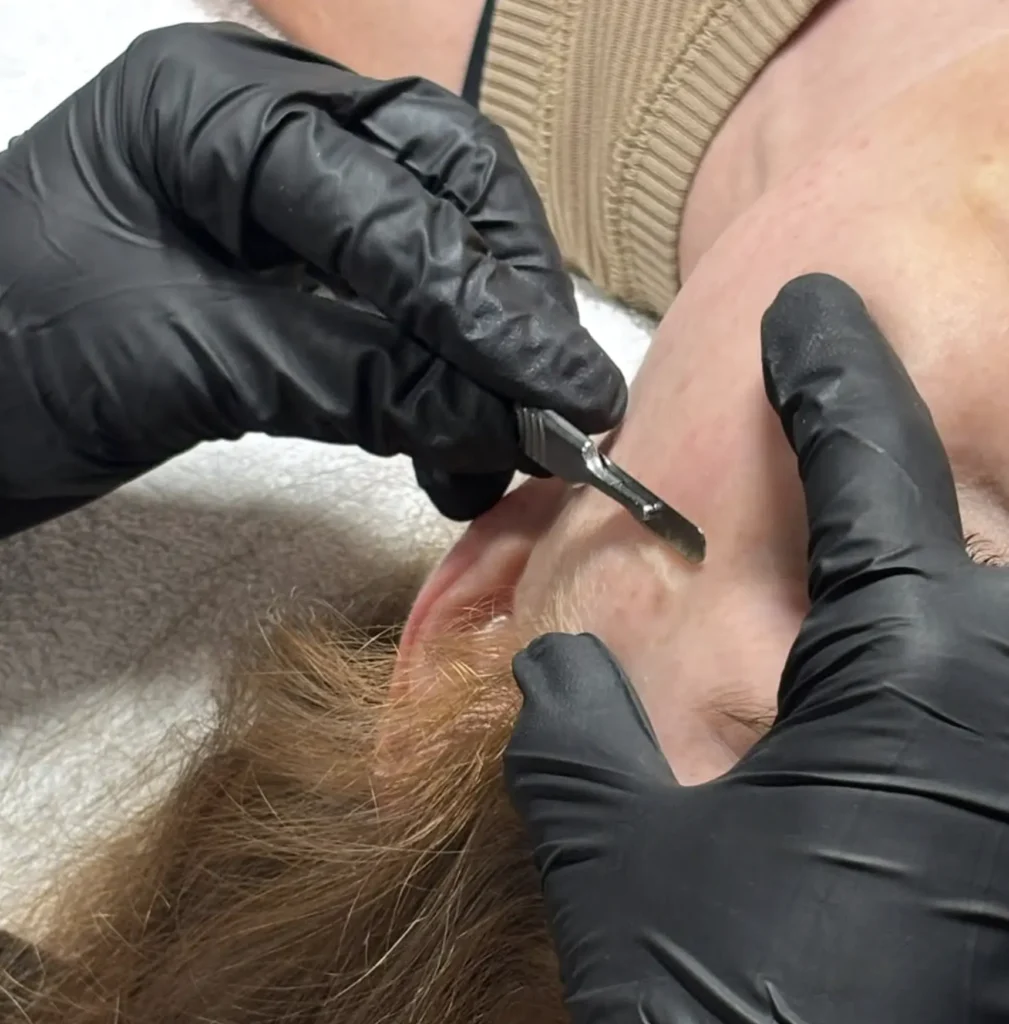
One of our clients tried dermaplaning with a plastic blade and ended up with red marks and a visit to her dermatologist. Another client used an old O.L. eyebrow razor and broke out from bacteria. Even a non-invasive procedure like this can go wrong without the right technique.
Aftercare (Even at Home)
- Use gentle skin serums and mineral-based SPF 30
- Avoid chemical peel products and active exfoliants for 48 hours
- Don’t expose your skin to sun and heat
- Clean your pillowcases
- Use barrier repair creams if needed
DIY or Book In?
So… can you do dermaplaning Brisbane? If you’re informed, have the right tools and know your skin type, it might be a cheap option for light maintenance.
But for the best results with less risk? Book a session with trained hair removal experts who offer customised treatments at Cosmetic Tattoo Brisbane Studio Face Figurati.
Because when it comes to your face, there’s no substitute for safe, clean, expert care.
2026 Skin Behaviour Shift
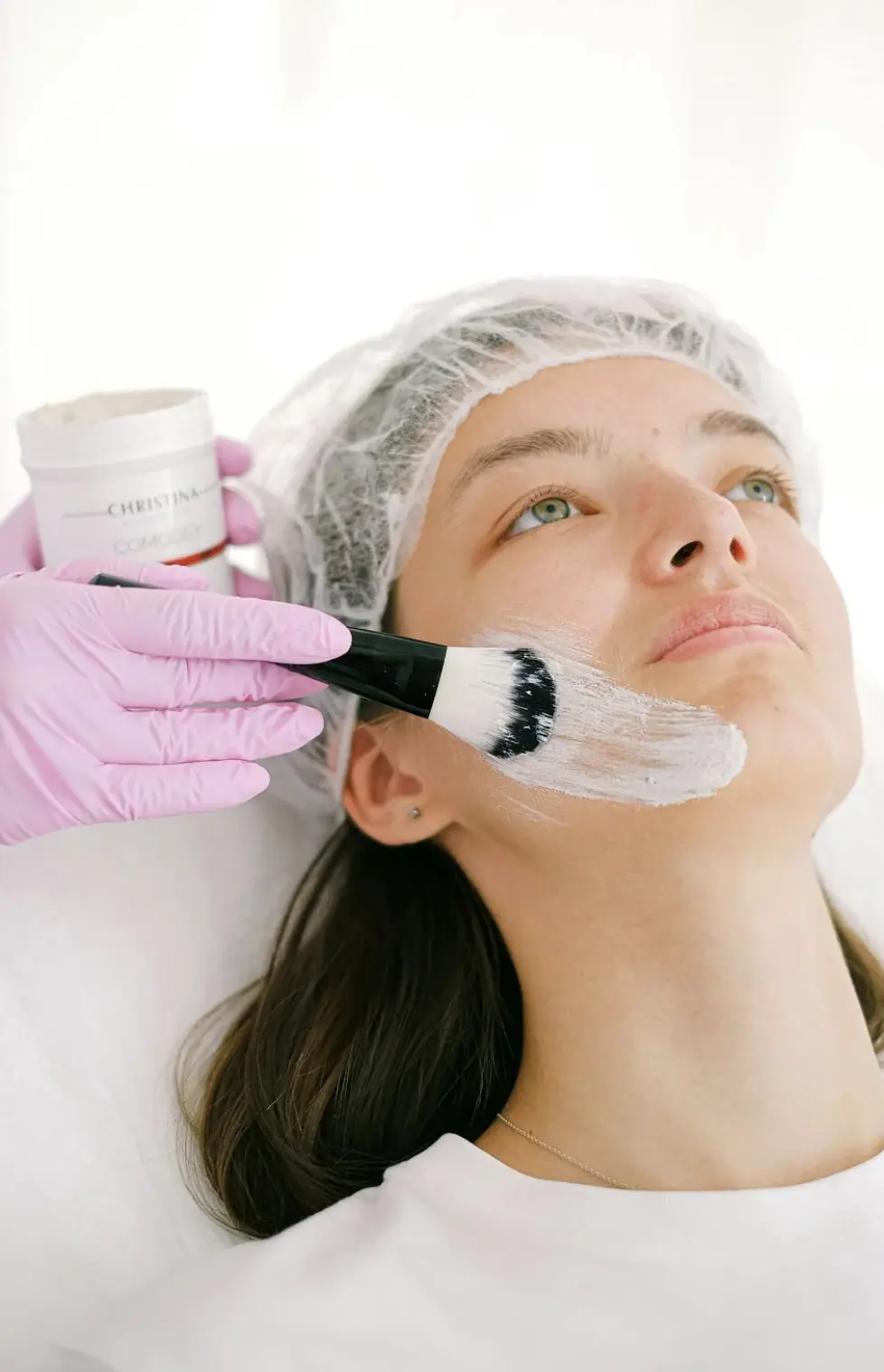
By 2026, Australian clinic data shows a noticeable move away from aggressive DIY exfoliation toward treatments that support nervous system regulation and skin barrier recovery. In cities like Brisbane, clients are increasingly choosing a relaxing facial at The Facial Hub as an alternative to at-home dermaplaning, especially after experiencing irritation, redness, or over-exfoliation from blades used without proper technique.
Clinics also report that clients who alternate exfoliating treatments with calming, hands-on care see fewer flare-ups and better long-term skin texture. Rather than risking cuts or inflammation at home, many now opt for relaxation-based facials that improve circulation, hydration, and glow — without compromising skin health — reinforcing why a relaxing facial at The Facial Hub has become a preferred maintenance option in 2026.
FAQ
Can I do dermaplaning myself if I have sensitive skin?
No. Even with a safety blade, the risk of irritation or damage to the skin barrier is high.
Will dermaplaning remove facial hair permanently?
No. It removes peach fuzz and baby-smooth hair temporarily.
Is dermaplaning safe if I have acne-prone skin?
Caution is key. Avoid if you have active acne-prone skin.
Can I use light therapy or chemical exfoliation afterwards?
Wait at least 3-4 days before using light therapy or strong exfoliants.
Do skincare products work better after dermaplaning?
Yes! Exfoliating the dead skin cells improves penetration of skincare treatment.