Regenerative Travel: 5 Ways to Leave the Reef Better Than You Found It
Regenerative travel: 5 ways to give back to the Great Barrier Reef before you go. It all starts with a simple shift in mindset: instead of coming to the reef just to take in the sights, you want to use your visit as an opportunity to actually help strengthen it. If you’re heading out to the reef, your goal shouldn’t just be to keep your impact as low as possible – it should be to actually make a positive difference. That’s the difference between your average sustainable travel experience and the kind of regenerative tourism that’s really making a change.
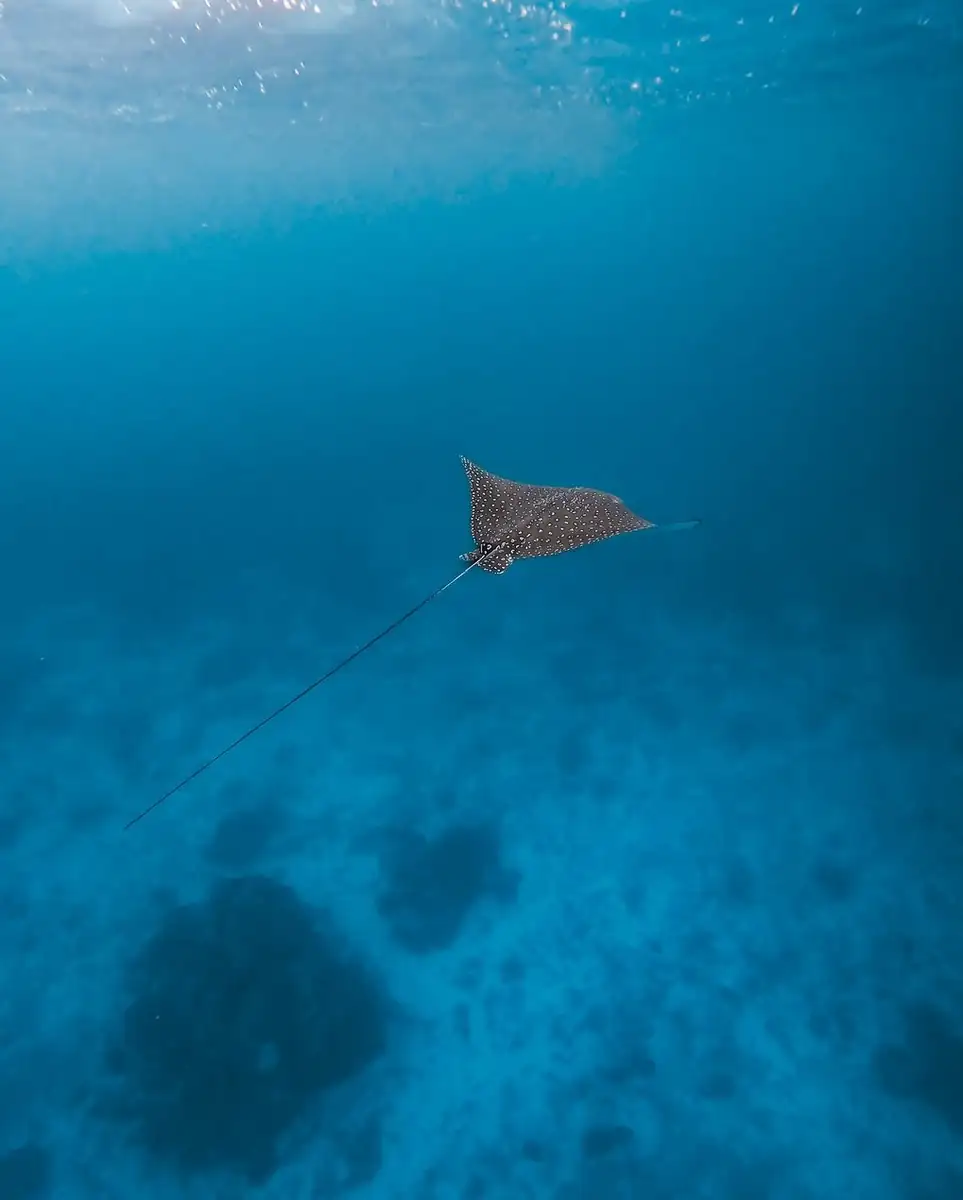
I’ve been showing people around Australia for years, and every time I set out from Cairns or Port Douglas to head to the outer reef, I’m struck by just how fragile and resilient this ecosystem really is. The Great Barrier Reef stretches more than 2,300 kilometres up the Queensland coast – that’s one long piece of coastline – and covers a huge area of about 344,400 square kilometres. And it’s just teeming with wildlife, with over 1,500 different species of fish and more than 400 types of hard coral. You’ve just got to show some respect for that sort of scale – and right now, with climate change causing these huge heatwaves and coral bleaching, we need action more than ever.
Regenerative tourism means your visit actually contributes to the conservation of the reef, the protection of marine life, and the well-being of local communities. So let’s get down to how that really works in the real world – no marketing jargon, no fluff, just practical ways to make a difference.
Take Responsibility, Not Just a Photo Op
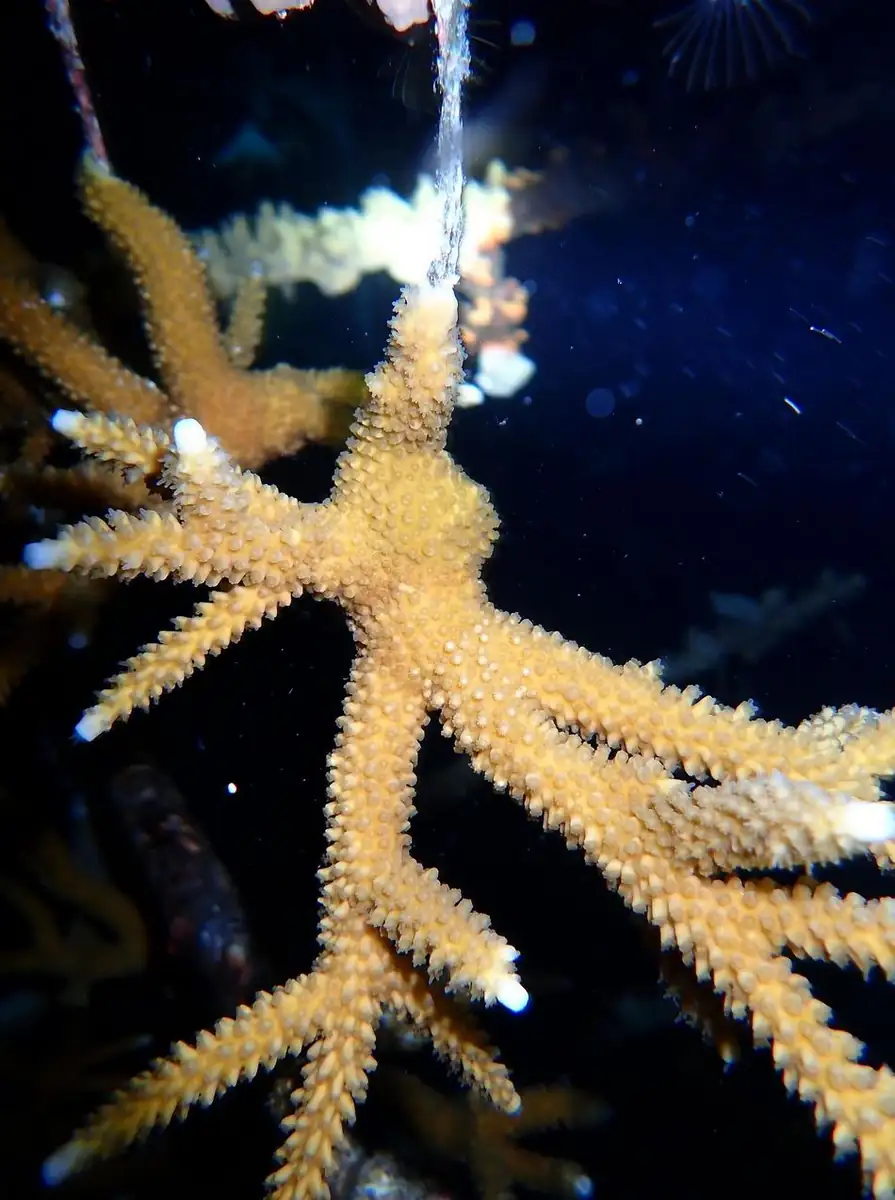
When you start thinking of the reef as a living, breathing system rather than just a pretty backdrop for your holiday snaps, everything changes. Regenerative travel is about more than just being green – it’s about taking a step further and asking yourself: how can my visit actually make the reef a better place?
That might mean supporting projects aimed at restoring coral. It might mean backing local tourism initiatives run by the people who’ve looked after this place for generations. Or it might mean choosing operators who are genuinely investing in conservation and not just ticking boxes.
I always tell my travellers this before we head out: if you can leave the reef in a slightly better state than you found it – even if it’s just a tiny bit – then you’ve travelled with heart.
Choose Reef Operators Committed To Conservation
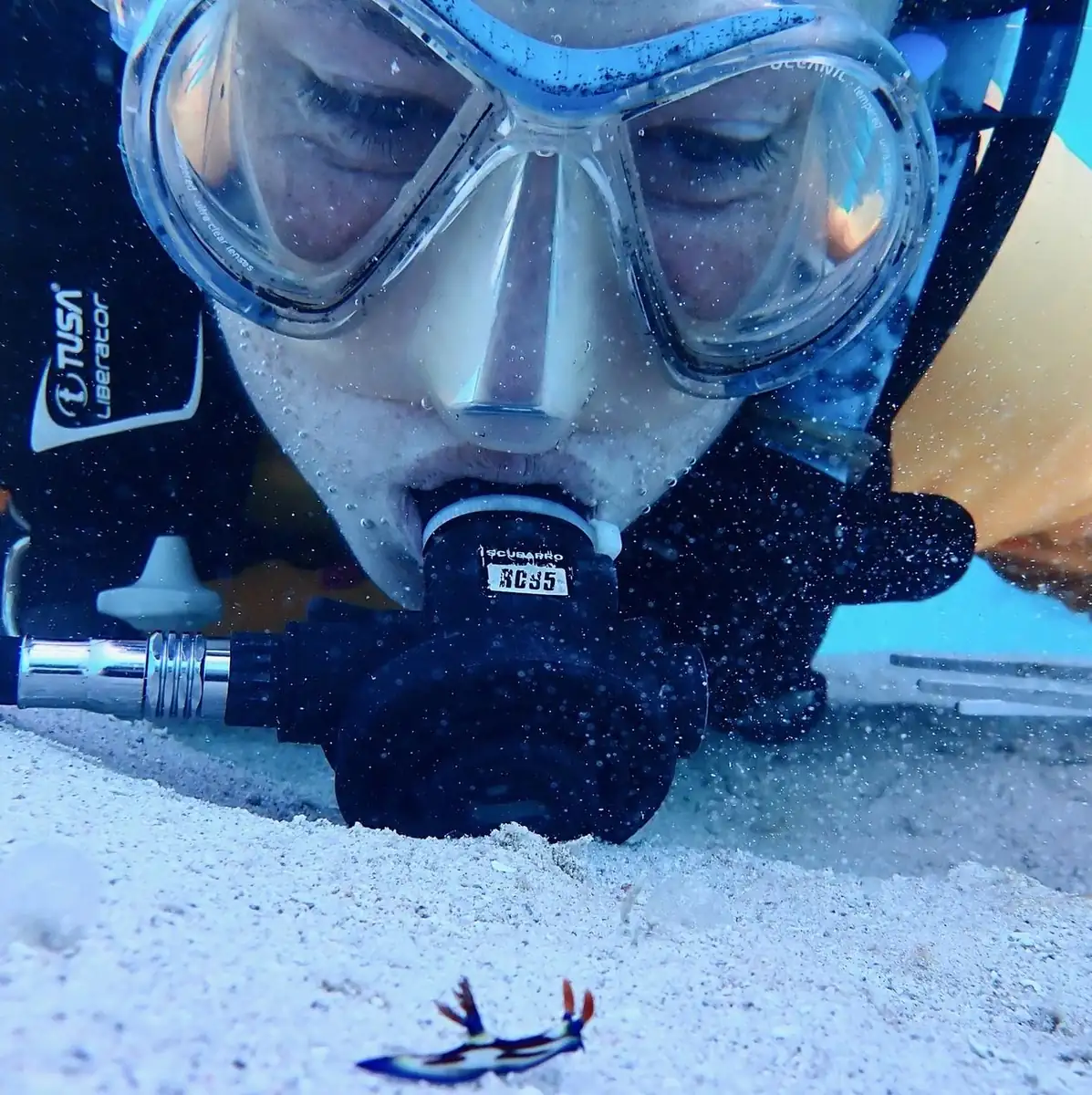
Now all reef tour operators have got their permits, but not all of them are on the same page when it comes to environmental responsibility. If you’re looking at booking a trip through a platform like Great Barrier Reef Tours, take a closer look at the actual people running the operation.
Look out for these signs of a reputable operator:
- An Ecotourism Australia Advanced Eco Certification (that tells you they’re serious about the environment)
- Clear, transparent policies on sustainable management
- Active involvement in coral restoration projects
- Are they contributing to citizen science initiatives that help us better understand the reef?
- And are they making a real effort to cut back on plastic waste?
Some operators are even part of larger accountability frameworks, like the B Corp certification, which is a big deal for social and environmental responsibility.
When I’m out on the reef, evaluating a tour operator, I just ask them a few simple questions:
Where does my ticket money actually go? Who’s keeping an eye on the environmental impacts? Are they doing anything about reducing their carbon footprint and waste?
If an operator can answer those questions with confidence, then I know they’re taking regenerative tourism seriously.
And yes, different reef experiences are for different people – whether it’s an outer reef expedition or a trip to something like the Tangalooma Wrecks Adventure Tour near Brisbane, both offer amazing marine encounters, but they’re operating in different ecosystems. Knowing that helps you choose which one is right for you.
Protecting Coral With Smart Behaviour In The Waters
Coral isn’t rock; it’s alive, and it’s feeling pretty stressed. Climate change has given us some nasty heatwaves at sea, and that’s sent our coral friends into multiple bleaching events in recent years. Every time we get in the water, we need to be mindful of how we interact with them.
Making a few simple changes can make a real difference:
- Maintain your buoyancy and don’t let yourself rise to the surface or sink too low – it’s easier than you think.
- Never stand on coral – it’s as simple as that.
- Make sure your fins and gear are securely attached so you don’t knock anything over.
- Use a reef-safe sunscreen, just to be safe.
- Pay attention to what the crew are telling you – it’s not a waste of time, trust me.
These are the kind of simple practices that can really make a difference, and they cost nothing – all it takes is a bit of awareness and a willingness to learn.
I remember watching a guy once thrashing about like he was doing some sort of water-based aerobics in the middle of the ocean, his fins bashing into coral heads that had been growing for decades. Now I know he wasn’t being malicious; it was just ignorance, and a couple of minutes’ briefing could have sorted him out.
Regenerative travel is all about educating visitors before they even get in the water.
Cut Plastic Waste And Shrink Your Footprint
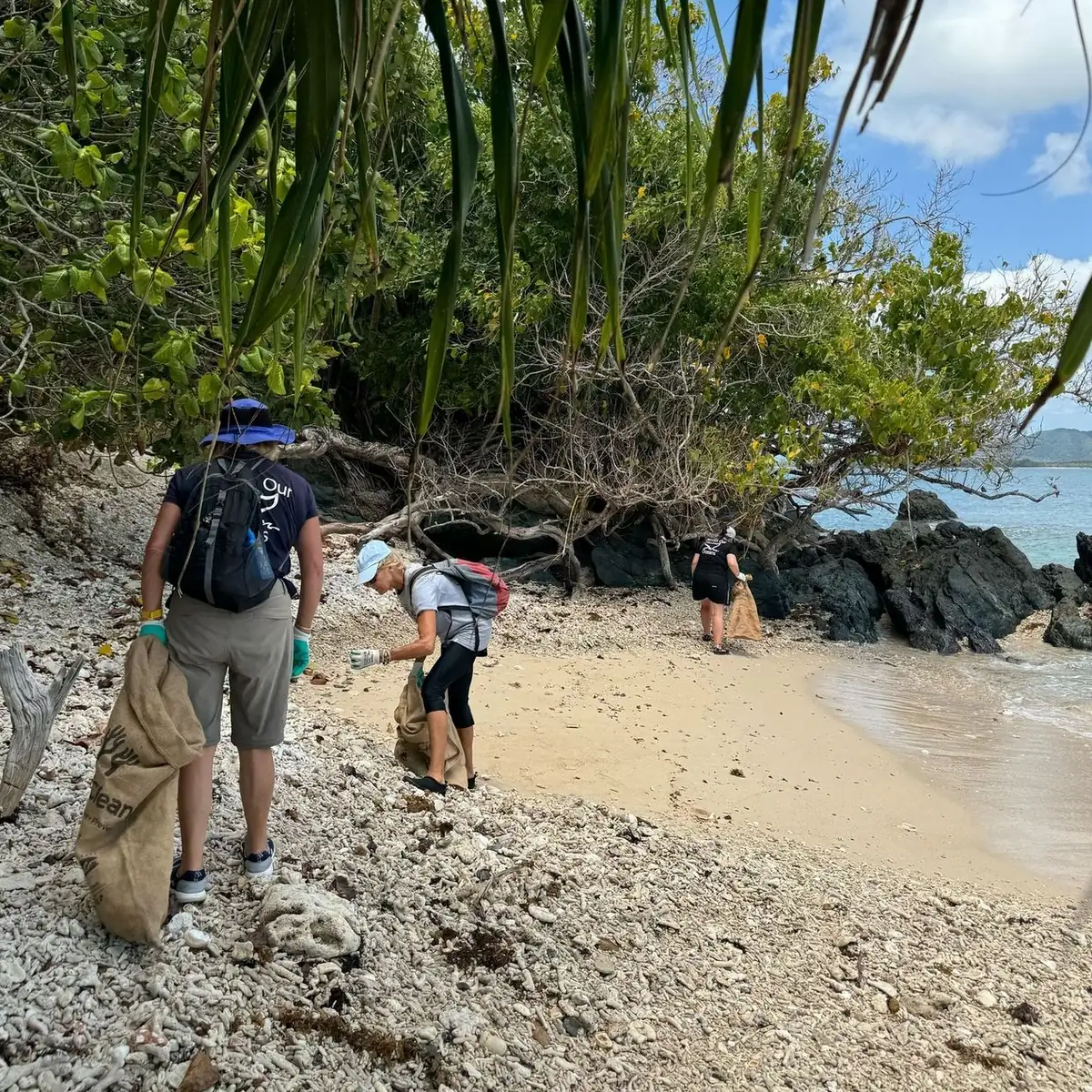
Plastic waste is still a big problem for our oceans, and before you even get on the boat, you can make a real difference.
- Bring a reusable water bottle so you’re not adding to the problem.
- Try to avoid single-use packaging as much as you can.
- And just say no to all that unnecessary plastic tat – it’s not worth it.
Then take a long, hard look at your transportation footprint. If you’re flying to Cairns, stay a bit longer. A five-night trip spreads your carbon emissions out over more experiences than a quick overnight dash, and that’s got to be a good thing.
And only after you’ve reduced your impact should you even consider carbon offsets. If you’re going to do it, make sure the offsets are credible – look for programs that actively support reforestation projects, wetland rehabilitation or ecological restoration in Australia. That way, you can be sure you’re doing some real good.
Offsets should be a tool to help you reduce your impact – not a free pass to carry on polluting.
Support Traditional Custodians And Culture
The Great Barrier Reef is home to over 70 different Traditional Custodians, and regenerative tourism is all about respecting that deep connection they have with the land and the sea.
Community-led tours are a great way to support the local community, and it’s a win-win: they bring economic benefits, and we get a much deeper understanding of the reef and how it all fits together. In the Port Douglas Daintree region, for example, your cultural experiences can really help you connect the dots between reef health and rainforest conservation.
The Daintree Rainforest plays a huge role in keeping our water clean – if we don’t manage the land properly, then sediment can run off into the ocean and really stress out our coral. That’s why it’s so important that we have rainforest conservation and reef protection going hand in hand.
I’ve spent hours sitting with Indigenous guides talking about tidal movements and fish behaviour without looking at a single chart. There’s something really special about the wisdom of the Indigenous people – it’s a lived experience that can’t be replicated in any brochure.
Reef–Rainforest Connection Explained

Reef health is totally linked to what’s happening upstream – heavy rainfall can bring all sorts of nutrients and sediment into the ocean, which can really stress out the coral.
If you’ve got time, the thing to do is look beyond the boat deck and really explore the area. Spend a day in Cape Kimberley or go for a walk in the rainforest – the more you learn about the interconnectedness of these ecosystems, the more you’ll understand why they’re so important to protect. And slow travel is the way to do it – the less you’re on the move, the more you can learn and the less of an impact you’ll have on the environment.
Join Citizen Science While Travelling
You don’t need to be a marine biologist to leave your mark. Loads of places actually encourage visitors to take part in citizen science projects. So grab your phone and document anything that catches your eye – coral bleaching, weird marine life or just a bunch of garbage washing up on the beach.
That data feeds into large conservation databases that inform important decisions. And guess what? Even your small observations can contribute to some pretty big monitoring systems.
When people realise they’re not just passive spectators on their holiday, but actually contributing to the protection of the reef, it changes everything. The whole experience shifts from just a snorkelling session to a journey of discovery.
Learn From Australia’s Regenerative Models
Regenerative tourism is really starting to happen all over the country. Over in South Australia, places like Arkaba Conservancy in the Flinders Ranges are showing off how you can fund ecological restoration through low-impact walking experiences like The Arkaba Walk.
In Tasmania, Maria Island Walk, Cradle Mountain, and the Bay of Fires are all doing their thing to support conservation while keeping the pressure off the environment. And even some of the old pastoral properties in Western Australia, like Wooleen Station, are using regenerative farming to bring back life to the land that was worn out by overgrazing. It just goes to show that with a bit of thought, tourism can actually finance restoration.
People often talk about their experiences in different parts of the country, such as the Tangalooma Wrecks Adventure Tour in Queensland, and compare them to other marine outings. Every destination has its own set of challenges, but the regenerative framework is the same: measure what you’re doing, try not to do any harm and actually contribute positively to the environment.
Be Wary of Greenwashing – Look Beneath the Surface
Not every place that calls itself “eco” is actually doing the real deal. True regenerative operators are the ones that provide data to back up their claims, have reporting as transparent as possible, and are actually in some kind of partnership with real conservation orgs.
So ask them about:
- Their actual policies on sustainable management
- What they’re doing to reduce waste
- How they’re tackling carbon emissions
- What kind of partnerships do they have with local communities
- Where the money for coral reef protection is coming from
If the answers sound a bit fuzzy, press them a bit further. A responsible traveller always asks the tougher questions.
The Practical Pre-Flight Checklist
Before you even start looking at Great Barrier Reef Tours or any other booking platform, you should be checking:
- Advanced Eco Certification – is that something they’ve ticked off?
- Coral restoration efforts – are they doing anything to help restore the reef?
- Plastic waste reduction – are they trying to make a difference there?
- Partnering with Indigenous groups – is that something they’re involved in?
And before you book your flights:
- Get some reef-safe sunscreen packed
- Bring some reusable gear
- Consider booking a longer trip – it’ll do you good and the reef good too
Then, when you’re on the boat:
- Listen carefully to the guides; they know what they’re talking about
- Rather than standing on the boat, try floating – it’s easier on the reef
- Report any interesting sightings to the crew
It all adds up, you know – doing these small things helps make a big difference to the protection of marine sanctuaries and resource conservation efforts.
The Final Word From Paul
Regenerative tourism is actually really simple – it’s just a matter of being intentional
You jump on a reef boat with your eyes open, you choose an operator who shares your values, you make an effort to reduce your plastic use, you show respect to the Traditional Custodians of the land, you do your bit for rainforest conservation, you get involved with citizen science projects, you try to reduce your carbon footprint before even thinking about offsetting.
The Great Barrier Reef doesn’t need more visitors – it needs better ones
So book with a reputable operator like Great Barrier Reef Tours or go straight to an accredited one – ask questions, stay longer, travel slower, and just generally try to be a good guest
If enough of us actually try to behave like custodians of the reef rather than just treating it as a tourist destination, regenerative travel will stop being a niche concept and become the norm.
FAQ
Is regenerative tourism really possible on a bigger scale?
Well, yes, it is, as long as the operator, the traveller and the conservation group are all on the same page – the tourism revenue can actually go a long way to helping fund coral restoration and monitoring
What’s the impact of climate change on the reef?
Well, basically, it makes the water get too hot and causes the coral to bleach – we’ve got to be doing something about that at a global level, but in the meantime, doing local sustainable things can only help to make the reef more resilient
Can I really make a difference on my own?
Absolutely, every little bit counts, and if we all do it, then it can make a real difference
Does coral restoration actually work?
Well, it can help in specific areas, but ultimately the reef is going to need a lot of other factors to be right too – like the climate staying stable and the water quality being looked after
How does looking after the rainforest link to protecting the coral reef?
Well, basically, the two are connected – rainforests help keep the water clean and support the coral – it’s all part of that big web of life.

Related Posts

Can I Use Bepanthen on My Eyebrow Tattoo?

Can I Do Dermaplaning Myself?